
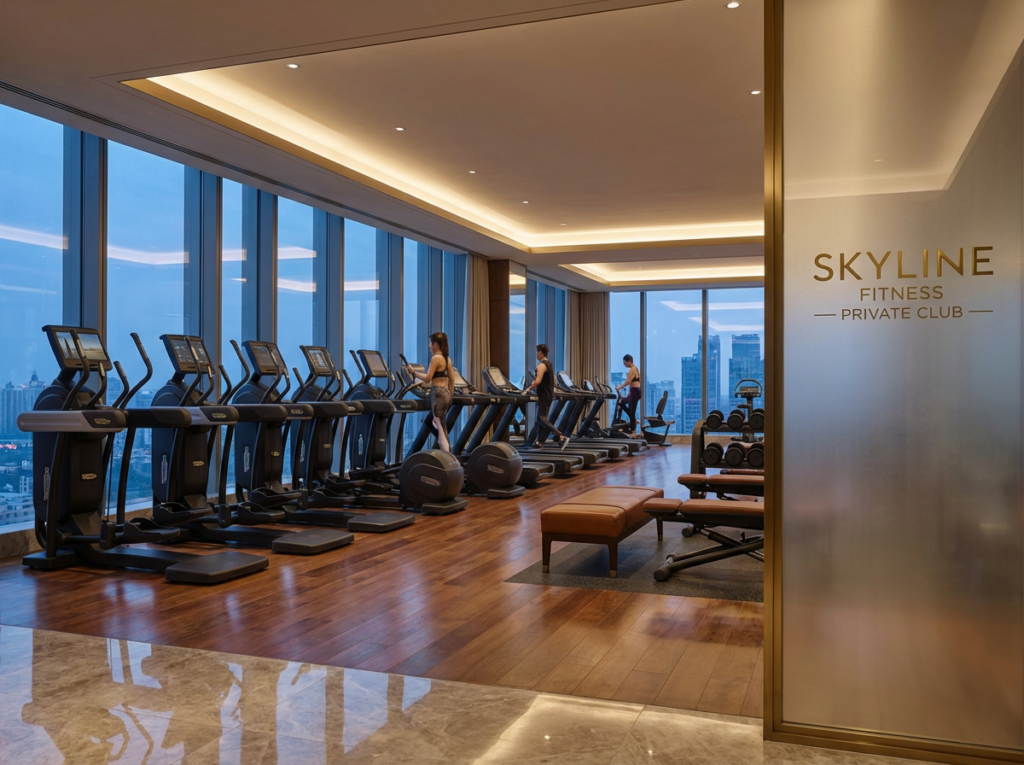
Focusing on durability, maintenance reduction, and space optimization.
The era of the “token hotel gym”—characterized by a solitary treadmill and a mismatched rack of light dumbbells—is over. As the Global Wellness Institute projects the wellness tourism economy to reach $1.3 trillion by 2025, guest expectations have shifted dramatically. Today’s high-value traveler prioritizes functional fitness and heavy lifting. For hotel operators and asset managers, shifting the fitness center focus from cardio-heavy layouts to comprehensive “strength training” zones is no longer just an amenity upgrade; it is a strategic CapEx decision ,lowers long-term OpEx and drives ADR (Average Daily Rate).
The Shift in Traveler Demand: Why Strength Matters
Historically, hotel gyms were designed for the casual jogger. However, the democratization of elite fitness—driven by CrossFit, powerlifting, and functional bodybuilding—has changed the demographic.
According to recent hospitality data, wellness travelers spend 130% more than the average tourist. These guests do not view workouts as optional; they are a daily requirement. When a corporate traveler or affluent vacationer sees a fitness center lacking a squat rack or dumbbells over 50 lbs, they do not simply skip the workout; they book a different hotel next time.
Implementing proper “strength training” facilities captures this high-yield demographic, turning the fitness center from a cost center into a retention tool.
The Financial Case: CapEx vs. OpEx
The Cardio Money Pit: Commercial treadmills and ellipticals utilize complex electronics, motors, and moving parts.
Average Lifespan: 5–7 years (with heavy usage).
Maintenance: Requires regular belt tightening, motor servicing, and software updates. Depreciation: Rapid. Technology becomes obsolete quickly.
The Durability of Strength
High-quality strength training assets—such as power racks, urethane-encased dumbbells, and plate-loaded machines—are essentially blocks of steel.
Average Lifespan: 15–20+ years (often lifetime for frames).
Maintenance: Negligible. Occasional upholstery checks and cable tensioning.
Depreciation: Minimal. A 45lb plate remains functional indefinitely.
ROI Takeaway: shifting the floor plan ratio from 80/20 (Cardio/Strength) to 50/50 or 40/60 significantly reduces annual maintenance contracts and replacement costs.
Revenue Per Square Foot: Space Optimization
In hospitality, square footage is revenue. Many operators hesitate to install strength equipment due to perceived space constraints. However, data suggests that strength zones offer superior utility per square foot.
The Treadmill Footprint: A single treadmill requires approximately 30 sq. ft. (including safety clearance) and services one guest at a time.
The Functional Rig Footprint: A similarly sized functional training rig or half-rack station can often service two to three guests simultaneously (e.g., one performing pull-ups, one squatting, one doing floor work).
By utilizing vertical storage and multi-functional cable machines, hotels can increase the “Guest Throughput” of their gym during peak hours (6:00 AM – 9:00 AM), reducing overcrowding complaints and negative reviews.
Driving ADR and Occupancy through Differentiation
In a saturated market, amenities dictate price power. Online Travel Agencies (OTAs) and booking platforms are increasingly filtering by specific amenities. A generic “Fitness Center” listing is no longer sufficient.
Marketing a facility that includes “Olympic Lifting Platforms,” “Full Dumbbell Sets (5–100 lbs),” or “Squat Racks” signals a premium experience. Social Proof: Serious trainees often photograph high-quality hotel gyms. A professional strength training setup generates organic social media marketing that a row of elliptical machines never will.
Corporate Contracts: Flight crews, sports teams, and long-term corporate consultants specifically request hotels with adequate strength facilities, securing high-volume, recurring contracts.
Strategic Procurement: What to Buy
To maximize ROI, procurement directors should focus on commercial-grade durability. Residential equipment will fail under 24/7 guest usage, leading to liability issues and replacement costs.
The Essential Strength ROI List:
1. Dual Adjustable Pulley (Cable Machine): High versatility, low footprint, safe for unassisted solo travelers.
2. Half Racks over Full Power Racks: Saves floor space while allowing for heavy compound movements (squats, overhead press).
3. Urethane Dumbbells: Unlike rubber, urethane does not degrade, peel, or smell over time.
4. Adjustable Benches: Heavy-duty frames (11-gauge steel) to accommodate guests of all sizes.
Investing in strength training equipment is a defensive and offensive financial strategy for modern hotels. Defensively, it drastically lowers the Operating Expenses associated with maintaining fragile electronic cardio machines. Offensively, it attracts the highest-spending tier of travelers—those dedicated to wellness and willing to pay a premium for a facility that respects their lifestyle.
For the modern hotelier, the weight room is no longer a basement afterthought; it is a high-yield asset class essential to competitive advantage.