
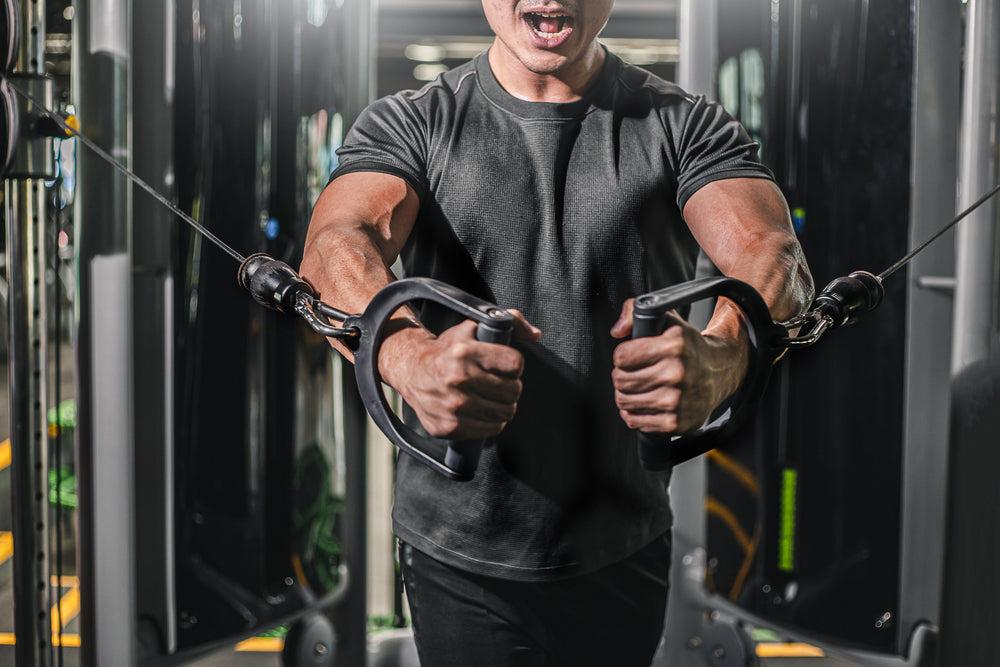
A Cable Chest Fly is a popular chest isolation exercise that uses a cable machine or functional trainer to maintain constant tension throughout the movement. It helps build chest strength, improve muscle definition, and enhance overall upper-body development.
In this guide, you’ll learn the benefits of cable chest flys, the muscles worked, proper form, common mistakes to avoid, and the best variations for targeting different areas of the chest.
What Is the Cable Chest Fly?
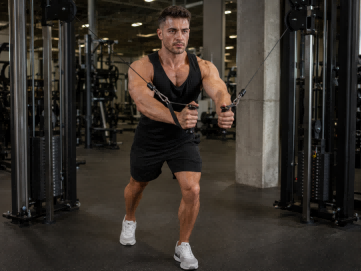
The Cable Chest Fly, also known as the Standing Cable Fly, is one of the most effective chest isolation exercises for building chest strength, muscle definition, and upper-body development. It is a cable-based variation of the traditional dumbbell fly, a classic chest workout that has been widely used in strength training programs for decades.In a standard dumbbell fly, you lie on a flat bench while holding a dumbbell in each hand. With your arms extended above your chest and a slight bend in your elbows, you lower the weights outward in a controlled arc until you feel a stretch across your chest. You then contract your chest muscles to bring the dumbbells back to the starting position, completing one repetition.
The cable chest fly follows the same movement pattern but uses a cable machine or functional trainer instead of free weights. Rather than moving dumbbells through the air, you pull cable handles together in front of your body while maintaining constant tension on the chest muscles. This continuous resistance helps improve muscle activation throughout the entire range of motion, making cable flys a popular exercise for chest muscle development in both commercial gyms and home gym workouts.
What Muscles Does the Cable Chest Fly Work?
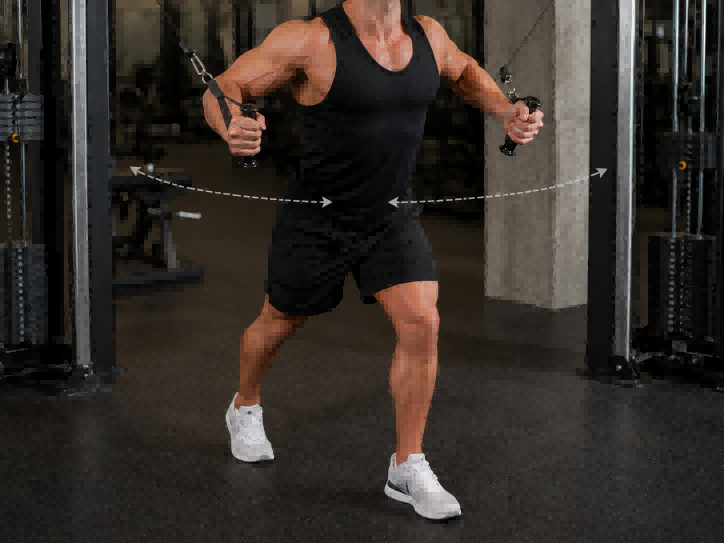
The Cable Chest Fly primarily targets the pectoralis major, the largest muscle of the chest responsible for pushing and bringing the arms across the body. Because the exercise keeps constant tension on the chest throughout the movement, it is highly effective for improving chest muscle activation, strength, and definition.In addition to the pectoralis major, the pectoralis minor and anterior deltoids (front shoulders) assist during the movement, helping stabilize the shoulders and control the weight. The triceps, biceps, and core muscles also play a supporting role by maintaining proper arm position and overall body stability.
One of the biggest advantages of the cable chest fly is its ability to target different areas of the chest by adjusting the cable position. High cable flys emphasize the lower chest, while low cable flys place more focus on the upper chest. This versatility makes the exercise a valuable addition to almost any chest workout routine.
Benefits of Cable Chest Flys for Chest Growth and Strength
ACE-sponsored research identified the bent-forward cable crossover as one of the most effective exercises for activating the pectoralis major, supporting its value in a well-designed chest training program.
The Cable Chest Fly is one of the most effective chest isolation exercises for building muscle, improving definition, and enhancing overall upper-body development. Unlike many traditional pressing movements, cable flys keep the chest muscles engaged throughout the entire range of motion, making them a valuable addition to almost any chest workout routine.
1. More Muscle Recruitment
Because cable chest flys place the chest muscles under constant resistance, they can recruit more muscle fibers than many traditional pressing exercises. The movement emphasizes chest contraction and stretch, helping increase muscle activation and making each repetition more effective for muscle growth.
2. Less Joint Strain
Compared with heavy compound lifts, cable chest flys place less stress on the shoulder and elbow joints. Since lighter weights are typically used and the movement follows a natural arc, many lifters find cable flys to be a more joint-friendly option for chest training.
3. Constant Tension Throughout the Movement
One of the biggest advantages of cable chest flys is continuous tension. Unlike dumbbells, where resistance changes throughout the lift, cables keep the chest muscles working from the start of the movement to the finish. This increased time under tension can help improve muscle growth and overall training efficiency.
4. Targeted Muscle Development
Cable chest flys are designed to isolate the chest muscles more effectively than many compound exercises. By adjusting the cable height, users can emphasize the upper chest, middle chest, or lower chest, making the exercise highly versatile for balanced chest development.
5. Reduced Chest Muscle Imbalances
Because each arm works independently, cable chest flys help identify and correct strength differences between the left and right sides of the body. Over time, this can improve muscle symmetry, enhance movement quality, and reduce the risk of developing chest muscle imbalances.
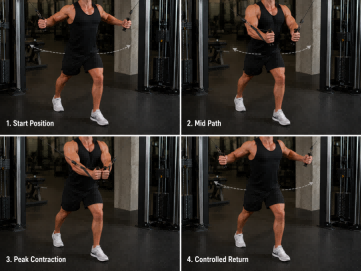
- Adjust the cable pulleys to shoulder height and attach D-handles.
- Stand between the cable machine uprights with one foot slightly forward for stability.
- Grasp the handles and extend your arms out to the sides at shoulder level.
- Maintain a slight bend in your elbows throughout the exercise.
- Engage your chest muscles and bring the handles together in a controlled arc until they meet in front of your body.
- Pause briefly and squeeze your chest at the top of the movement.
- Slowly return to the starting position until you feel a stretch across your chest.
- Repeat for the desired number of repetitions while maintaining constant tension on the chest muscles.
Form Tips
- Keep your chest up and shoulders back.
- Avoid locking your elbows.
- Use controlled movements instead of momentum.
- Focus on chest contraction during every rep.
- Choose a weight that allows proper form and full range of motion.
Cable Chest Fly Variations
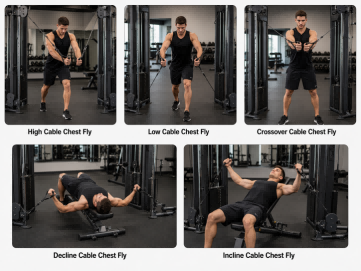
1. High Cable Chest Fly
The High Cable Chest Fly is performed with the pulleys positioned above shoulder height. During the movement, the handles are pulled downward and inward in a controlled arc.
This exercise targets the upper part of the chest.
2.Low Cable Chest Fly
The Low Cable Chest Fly is performed with the pulleys positioned near the floor. The handles are pulled upward and inward toward the upper chest.Because the resistance follows an upward path, this variation targets the upper chest more effectively than standard cable flys. It is an excellent exercise for building upper chest fullness and improving chest aesthetics.
This exercise targets the lower part of the chest.
3.Crossover Cable Chest Fly
The Crossover Cable Chest Fly follows a similar movement pattern to the standard cable fly, but the hands cross over each other at the end of the movement to increase chest contraction.The crossover motion creates a stronger peak contraction, helping maximize muscle activation throughout the chest. This variation is commonly used by bodybuilders to enhance muscle definition and improve the mind-muscle connection.
This exercise targets both the upper and lower part of the chest equally.
4.Decline Cable Chest Fly
To perform the decline cable chest fly, position a decline bench between the cable uprights and set the pulleys to their lowest possible point. Then perform the movement as you would a weighted dumbbell fly.
This exercise targets the lower part of the chest.
5.Incline Cable Chest Fly
The Incline Cable Chest Fly is performed on an incline bench with the cable pulleys positioned low. The upward movement increases activation of the upper chest fibers.This is one of the best cable exercises for targeting the upper chest. It helps improve chest fullness, upper-body aesthetics, and overall chest balance, making it a popular choice in both bodybuilding and strength-training programs.
This exercise targets the upper part of the chest.
Equipment Guide for Cable Chest Flys
If you’re ready to incorporate Cable Chest Flys into your workout routine, investing in a high-quality functional trainer or cable crossover machine can significantly expand your training options. These versatile machines allow you to perform a wide range of chest, shoulder, back, and arm exercises while maintaining smooth, consistent resistance throughout every movement.
At VIGFIT, we offer professional-grade cable training equipment designed for home gyms, commercial fitness facilities, and fitness brands, including:
- Functional Trainer
- Cable Crossover Machine
- Plate-Loaded Functional Trainer
- Single Stack Functional Trainer
Built with high-strength steel and engineered for durability, VIGFIT functional trainers are designed to withstand high-frequency use while delivering smooth performance. Many models include versatile attachments such as dual D-handles, long bars, short bars, ankle straps, and other accessories to support full-body strength training.
Whether you’re looking to build a home gym, upgrade a commercial fitness facility, or source fitness equipment for your brand, the right cable machine can help maximize workout variety and training results.
Explore VIGFIT’s range of functional trainers and cable crossover machines to take your chest workouts and overall fitness training to the next level.