
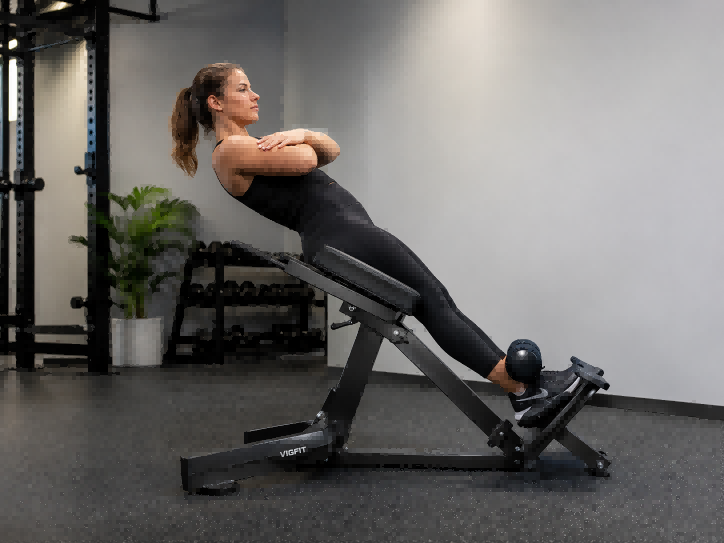
Why Lower Back Strength Matters for Posture and Performance
A strong lower back is essential for supporting the spine, maintaining good posture, and performing everyday movements with greater control. Together with the abdominal muscles, glutes, and hips, the lower-back muscles help stabilize the core during bending, lifting, walking, and strength training.
Weakness or poor control in this area may contribute to limited mobility, inefficient movement patterns, and increased strain during exercise. Targeted lower-back exercises can help improve muscular strength, stability, and coordination, creating a stronger foundation for both daily activity and athletic performance.
Exercises such as deadlifts, back extensions, glute bridges and supermans train the lower back and surrounding posterior-chain muscles. When performed with proper technique and appropriate resistance, these movements can support balanced muscle development and improve control during compound exercises.
Lower-back strength is also closely connected to posture. Long periods of sitting and limited physical activity can weaken the muscles that help maintain spinal alignment. Strengthening the lower back, core, and glutes can make it easier to maintain a stable, upright position throughout the day.
For athletes and regular gym users, a stronger lower back can improve performance during squats, deadlifts, rows, running, and functional training. It also supports everyday tasks such as lifting objects, standing for extended periods, and moving from seated to standing positions.
At VIGFIT, we believe effective lower-back training begins with controlled movement and dependable equipment. From adjustable back extension benches and power racks to barbells, kettlebells, and resistance training machines, the right setup can help users train progressively and build long-term strength with confidence.
Regular exercise can help strengthen the back and the muscles that support it, but equipment should complement controlled movement and proper technique. Mayo Clinic’s back exercise guidance recommends beginning with a small number of repetitions and gradually increasing them as the exercises become easier. Anyone with persistent back pain or a previous back injury should consult a qualified healthcare professional before beginning a new exercise program.
Best Exercise Equipment for Strengthening Your Lower Back and Improving Posture
The right lower back exercise equipment can help you strengthen the muscles that support your spine, improve core stability, and develop better posture. Depending on your training level and available space, you can use specialized back extension machines, free weights, or resistance bands to build a stronger posterior chain.
Here are five effective equipment options for lower back strength training in home gyms, fitness studios, and commercial facilities.
1. Plate-Loaded Ab Curl and Back Extension Machine
A plate-loaded ab curl and back extension machine allows users to train both the abdominal and lower-back muscles through controlled resistance. Strengthening these opposing muscle groups supports balanced core development and greater trunk stability.
The adjustable resistance makes it easier to apply progressive overload as strength improves. Because the machine guides the movement, users can focus on maintaining proper form and controlling each repetition.
Best for:
- Lower back and abdominal training
- Progressive resistance workouts
- Core strength and stability
- Commercial gym strength programs
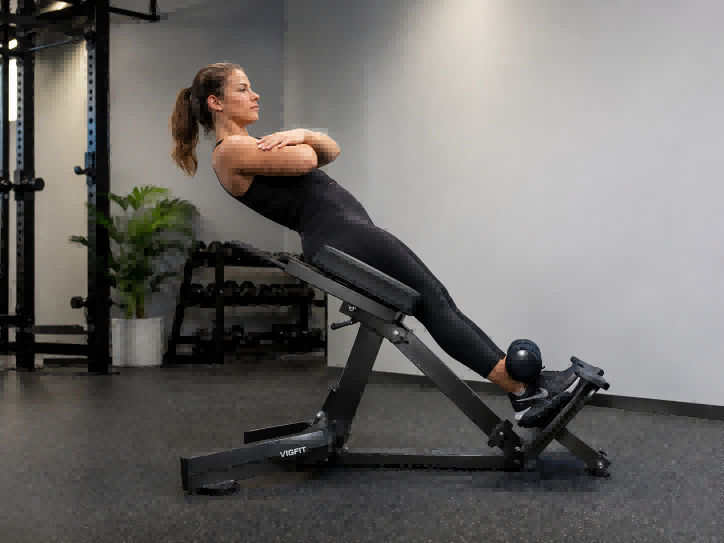
2. Adjustable Back Extension Machine
An adjustable back extension machine, often called a Roman chair, is designed to strengthen the lower back, glutes, and hamstrings. These muscles form part of the posterior chain and play an important role in lifting, bending, and maintaining an upright posture.
Adjustable thigh pads and foot supports help accommodate different users and exercise variations. Beginners can start with body weight, while experienced lifters can add a weight plate, dumbbell, or resistance band for greater difficulty.
Best for:
- Back extension exercises
- Lower back and glute strengthening
- Posterior chain development
- Home and commercial gym workouts
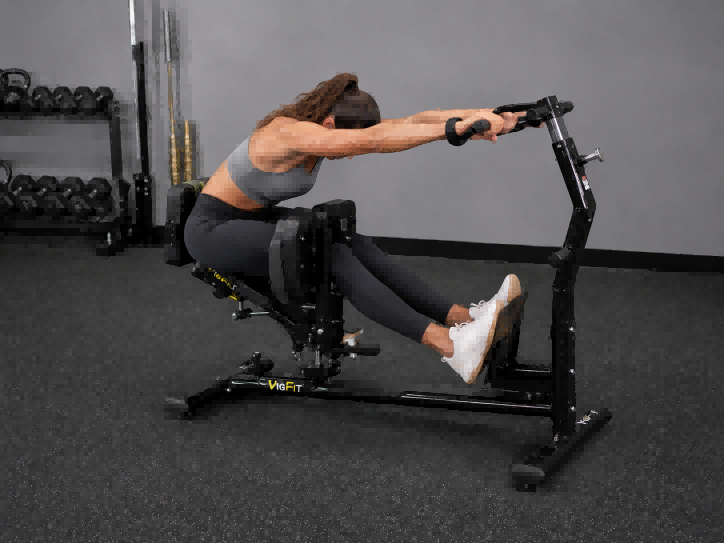
3. Seated Total Body Stretch Machine
A seated total body stretch machine provides a supported way to stretch the lower back, shoulders, hips, and hamstrings. Regular mobility work can help reduce muscular tightness and improve the range of motion needed for strength training and daily movement.
Unlike resistance-based equipment, a stretching machine focuses on controlled flexibility rather than heavy loading. It can be especially useful after workouts or as part of a mobility and recovery routine.
Best for:
- Lower back stretching
- Full-body mobility training
- Improving flexibility
- Warm-up and recovery routines
4. Kettlebells
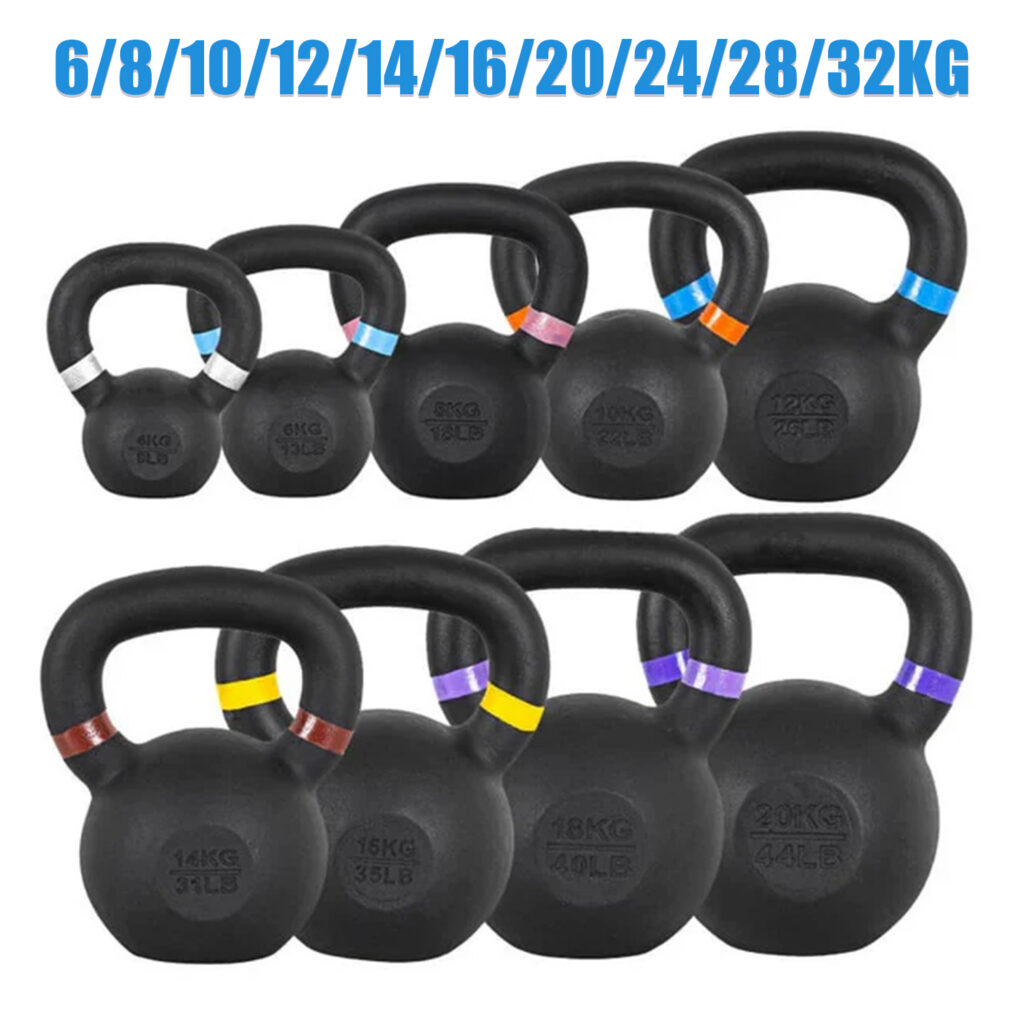
Kettlebells are versatile free weights that can be used for lower back exercises and full-body strength training. Movements such as kettlebell deadlifts, swings, goblet squats, and Romanian deadlifts engage the lower back, glutes, hamstrings, and core simultaneously.
Because many kettlebell exercises require the hips and core to work together, they can help improve functional strength, coordination, and posterior-chain power. Beginners should start with a manageable weight and master proper hip-hinge technique before progressing.
Best for:
- Kettlebell lower back exercises
- Functional strength training
- Glute and hamstring development
- Compact home gym workouts
5. Resistance Bands
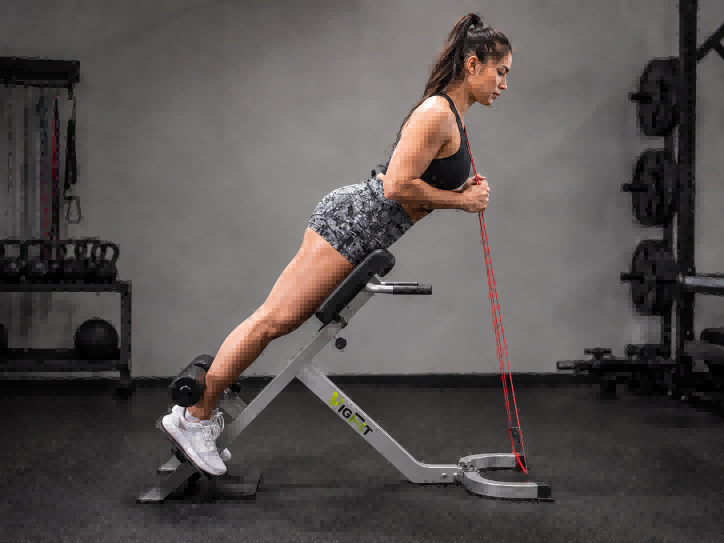
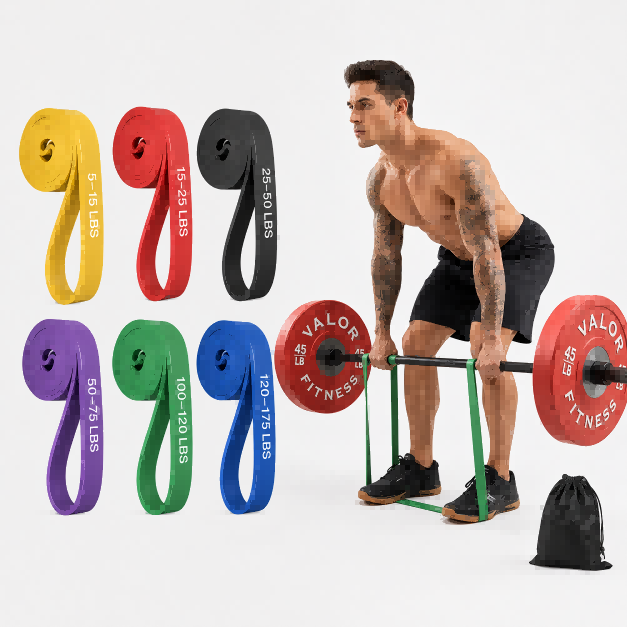
Resistance bands are a lightweight and adaptable option for strengthening the lower back and surrounding muscles. Exercises such as banded good mornings, pull-throughs, deadlifts, and glute bridges provide progressive tension without requiring large strength machines.
As the band stretches, resistance gradually increases, helping activate the lower back, core, glutes, and hamstrings. Different resistance levels make bands suitable for beginners, warm-ups, accessory work, and rehabilitation-focused exercise programs when professionally recommended.
Best for:
- Lower back exercises at home
- Core and glute activation
- Warm-up and mobility routines
- Portable resistance training
Choosing the Right Lower Back Exercise Equipment
The best equipment depends on your training goals, experience, available space, and preferred workout style. Back extension machines provide targeted support, kettlebells allow dynamic full-body movements, and resistance bands offer a portable option for progressive training.
Whatever equipment you choose, prioritize controlled movement, proper technique, and gradual resistance increases. VIGFIT strength training equipment can help home and commercial gym users build a safer, more effective setup for lower back, core, and posterior-chain training.
How to Use Lower Back Exercise Equipment Safely and Effectively
Using lower back exercise equipment correctly is essential for improving strength, stability, and posture while reducing unnecessary stress on the spine. Whether you are training with a back extension machine, kettlebells, resistance bands, or plate-loaded equipment, proper setup and controlled movement should always come first.
1. Warm Up Before Training
Begin with five to ten minutes of light cardio, dynamic stretching, or mobility exercises to increase blood flow and prepare your lower back, hips, glutes, and core for movement.
2. Learn Proper Exercise Form
Take time to understand the correct setup, posture, and movement path for each piece of strength training equipment. Keep your spine in a stable position, avoid excessive rounding or arching, and use controlled repetitions throughout the exercise.
3. Choose an Appropriate Resistance
Select a weight or resistance level that challenges your muscles without compromising technique. If you need momentum, shorten the range of motion, or lose control, reduce the load and focus on better form.
4. Keep Your Core Engaged
Brace your abdominal muscles before each repetition to help stabilize your trunk and support your spine. Maintain this tension throughout the movement instead of relaxing between the lifting and lowering phases.
5. Pay Attention to Discomfort
Muscle fatigue is normal during lower back strength training, but sharp pain, numbness, or unusual joint discomfort is not. Stop the exercise if something feels wrong and seek guidance from a qualified fitness or healthcare professional when necessary.
6. Increase the Difficulty Gradually
Apply progressive overload by slowly adding resistance, repetitions, sets, or training time as your strength improves. Avoid increasing the weight too quickly, especially when learning a new lower back exercise.
VIGFIT Training Tip
Always adjust the pads, handles, foot supports, and resistance settings before beginning your workout. VIGFIT lower back and core training equipment is designed to support controlled movement, stable positioning, and progressive strength development in both home and commercial gyms.
Safe lower back training is not about lifting the heaviest weight. It is about maintaining proper form, controlling every repetition, and progressing at a pace your body can manage.
How to Strengthen Your Lower Back Without Equipment
You do not need specialized gym equipment to build lower back strength. Bodyweight exercises and mobility movements can help train the muscles that support your spine, improve core stability, and develop better control during daily activities.
These no-equipment lower back exercises can be performed at home, while traveling, or as part of a warm-up and recovery routine.
1. Glute Bridges
Lie on your back with your knees bent and feet flat on the floor. Drive through your heels and lift your hips until your shoulders, hips, and knees form a straight line.
Glute bridges strengthen the glutes, hamstrings, core, and lower back while reinforcing proper hip-extension mechanics.
2. Supermans
Lie face down with your arms extended in front of you. Gently raise your arms, chest, and legs from the floor, pause briefly, and lower under control.
Supermans target the lower back and posterior chain, but the movement should remain small and controlled to avoid excessive spinal extension.
3. Cat-Cow Stretch
Start on your hands and knees, then slowly alternate between rounding and extending your spine.
The cat-cow stretch promotes spinal mobility and can help reduce stiffness before or after a lower back workout.
4. Child’s Pose
Sit your hips back toward your heels while reaching your arms forward along the floor.
This gentle stretch can help relax the lower back, hips, and surrounding muscles after strength training.
Tips for Effective No-Equipment Lower Back Training
Perform each movement slowly and focus on maintaining proper alignment rather than completing as many repetitions as possible. Begin with two or three exercises, train consistently, and gradually increase the number of repetitions or hold time as your control improves.
Bodyweight lower back exercises can support strength, posture, mobility, and everyday movement, but they should not cause sharp pain, numbness, or unusual discomfort. Stop the exercise and consult a qualified professional if these symptoms occur.
As your strength improves, VIGFIT resistance bands, kettlebells, adjustable benches, and back extension equipment can help you add progressive resistance and expand your lower back training routine.