
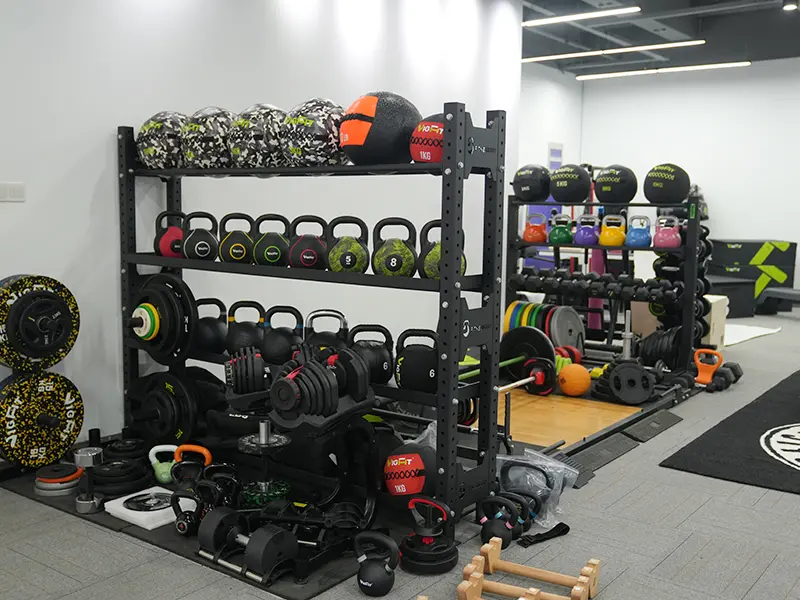
Interested in building stronger muscles, supporting healthy bones, and burning more calories through your workouts? Strength training may be one of the most effective ways for women to improve overall fitness at any age.
Strength training includes weightlifting, resistance exercises, bodyweight movements, and weight-bearing workouts. For women, it offers more than just muscle growth. It can help improve strength, support bone density, enhance balance, boost metabolism, and make everyday activities easier—from carrying groceries to climbing stairs or staying active with family.
For many years, strength training was often overlooked by women, especially those who were new to fitness or concerned about becoming “too bulky.” Today, more women are recognizing that lifting weights is not only safe when done correctly, but also highly beneficial for long-term health, confidence, and independence.
As women age, muscle mass and bone density naturally decline, particularly during and after menopause. Adding strength training a few times a week can help slow this process, improve functional strength, and support a healthier, more active lifestyle. The best part is that it is never too late to start. Whether you are in your 20s, 40s, 50s, or beyond, your body can still build strength and adapt to resistance training.
In this guide, we will cover the key benefits of strength training for women, beginner-friendly tips, common mistakes to avoid, and what you should know before adding weights or resistance equipment to your workout routine.
What Is Strength Training?
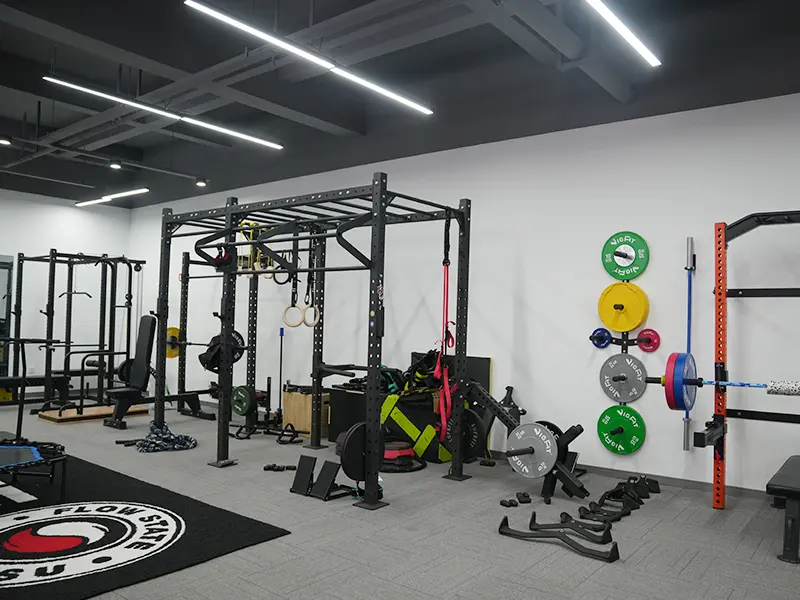
Strength training for women, also known as resistance training for women, is a type of exercise that uses resistance to challenge the muscles and build physical strength. This resistance can come from dumbbells, kettlebells, barbells, resistance bands, cable machines, weight machines, or bodyweight movements such as squats, push-ups, lunges, and pull-ups.
For women, strength and resistance training is not just about building visible muscle. It can help improve overall strength, support healthy bones, increase metabolism, enhance balance, and make daily movements easier. Regular weight training for women can also help maintain muscle mass and bone density as the body ages, which is especially important during and after menopause.
Many beginners worry that weight lifting for women will make the body look too bulky or masculine. In reality, a woman lifting weights can develop a stronger, more toned, and more confident body without necessarily gaining excessive muscle size. Strength training helps women build functional strength that supports both fitness performance and everyday life.
Application:
Strength training can be done at home, in a commercial gym, or in a small workout space with simple equipment. Beginners can start with bodyweight exercises or resistance bands, then gradually add dumbbells, kettlebells, or cable machines as strength improves. Whether your goal is general fitness, fat loss, bone health, or becoming a fit woman with better strength and endurance, resistance training strength exercises can be adjusted to match your level and training goals.
How Is Strength Training Different from Weight Training and Weightlifting?
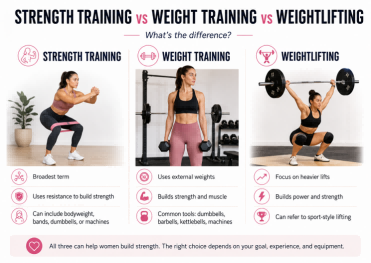
Strength training, weight training, and weightlifting are often used together, but they have slightly different meanings. Strength training is the broadest term. It includes any type of exercise that uses resistance to build muscle strength, improve endurance, and support overall body function.
Weight training usually refers to using equipment such as dumbbells, barbells, kettlebells, cable machines, or weight machines. Weightlifting often involves lifting heavier weights and may also refer to competitive lifting or training focused on muscle size, strength, and power.
For women, this distinction is important. Strength training for women does not always mean lifting very heavy weights. Resistance training for women can include bodyweight exercises, resistance bands, light dumbbells, or controlled machine workouts. The goal is to build a stronger, healthier body in a way that matches your fitness level.
How Can Strength Training Benefit Women as We Grow Older?
As women age, changes in hormones, muscle mass, bone density, and metabolism can affect overall health and daily movement. This is especially true during and after menopause, when lower estrogen levels may contribute to faster muscle and bone loss.
Regular strength and resistance training can help women maintain lean muscle, support bone health, improve balance, increase metabolism, and make everyday activities easier. Weight training for women is not only about appearance. It also helps support long-term mobility, independence, and confidence.
Do Women Lose Bone Density and Muscle Mass as They Age?

Strength training can help women maintain muscle mass and may support bone strength as they age. According to the Mayo Clinic’s guidance on strength training, resistance exercise may also improve balance, physical function, and the ability to perform everyday activities.
This is why weight lifting for women can be so valuable. When done safely and consistently, resistance training strength exercises help challenge the muscles and bones, encouraging the body to stay stronger over time.
For many women, lifting weights is not about becoming a “muscle girl” or building excessive size. A woman lifting weights can develop lean muscle, better balance, improved strength, and greater confidence. Simple exercises such as squats, lunges, rows, presses, and deadlifts can all help women build a stronger foundation for healthy aging.
Strength training may help slow down, and in some cases improve, age-related bone density and muscle loss in women. This is especially important for postmenopausal women, as lower estrogen levels can increase the risk of osteopenia, osteoporosis, and fractures.
Regular resistance training for women helps place healthy stress on the muscles and bones, encouraging them to stay stronger over time. When done safely and consistently, weight training for women can support better bone health, improve muscle strength, and help women maintain mobility, balance, and independence as they age.
Can strength training help with cholesterol?
Strength training may also support better heart health by helping improve cholesterol levels. Some research suggests that regular resistance training can help raise “good” HDL cholesterol while lowering “bad” LDL cholesterol.
For women, this means strength and resistance training is not only useful for building muscle and stronger bones, but may also support long-term cardiovascular health. Combined with regular movement, balanced nutrition, and healthy lifestyle habits, weight training for women can be a valuable part of protecting overall wellness as we age.
How Often Should Women Do Strength Training?
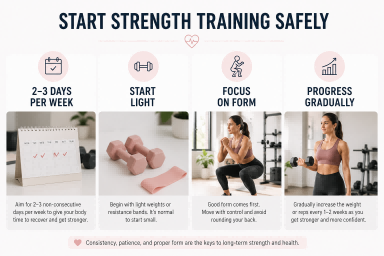
For most women, strength training two to three days a week is a practical and effective starting point. Beginners can start with light weights, resistance bands, or bodyweight exercises, then gradually increase resistance as strength and confidence improve.
Focus on proper form first. Move slowly, keep your back stable, and avoid twisting or lifting with poor posture. If you have osteoporosis, a high fracture risk, or are unsure how to start, it is best to work with a fitness professional or healthcare provider before beginning weight lifting for women.
Should Women Do Cardio Before or After Strength Training?
For most women, doing strength training before cardio can be a better choice, especially if your goal is to build strength, improve muscle tone, or lift weights safely. Strength training usually requires more focus, control, and energy, so it is best to do it before your body becomes too tired.
Cardio can be added after your weight training session or done on a separate day. This helps reduce fatigue during lifting and allows women to get the most out of both strength and endurance training.
Final Thoughts: Start Strength Training with Confidence
Strength training for women is more than a fitness trend. It is a practical way to build lean muscle, support bone health, improve balance, boost metabolism, and maintain long-term independence. Whether you are just getting started or returning to exercise after a break, the key is to train safely, progress gradually, and choose equipment that matches your fitness level and workout space.
For home users, gyms, fitness studios, and wellness brands, the right strength training equipment can make training more effective and consistent. Dumbbells, resistance bands, adjustable benches, cable machines, and compact home gym equipment can all help create a safe and flexible training environment for women of different ages and goals.
At VIGFIT, we understand that today’s customers are looking for equipment that is not only durable, but also practical, space-saving, and suitable for real training needs. Whether you are building a home gym, upgrading a fitness studio, or sourcing strength training products for your market, VIGFIT can provide reliable fitness equipment solutions to support women’s strength training at every level.
If you are looking for high-quality strength training equipment for women, contact VIGFIT to explore customizable home gym and commercial fitness solutions.